
Secure shopping

Energy and utilities
The Energy sector plays a pivotal role in economic and social development by supplying what might be described as the “flow of blood” to production and transportation systems. Its main objective is to ensure the reliable, affordable and clean energy needed by modern societies, thus contributing to well-being and prosperity around the globe.
The Energy sector involves the generation, transmission and distribution of electricity derived from a variety of sources, including fossil fuels, nuclear power and renewable sources. It also includes activities concerned with fuels themselves, which extend along the entire value chain, such as oil and gas extraction and transportation, coal mining, refining of petroleum products, and wholesaling and retailing of fuels.
The Polish electricity sector is undergoing a profound transformation, shaped by the dual imperatives of energy security and decarbonisation. Electricity generation and consumption displayed marked volatility, with gross generation peaking in 2021 ...
View more details
ASEAN countries have set ambitious goals to transition away from fossil fuels. Under Phase II of the ASEAN Plan of Action for Energy Cooperation (APAEC), which covers the period from 2021 to 2025, the region has committed to achieving a 23% renewable ...
View more details
Designed to resolve some legal and regulatory uncertainties, the new Electricity Law of 2024 (Law Number 61/2024/QH15) and Decision 768/QD-TTg build upon the renewable energy capacity developments that have been made since 2017. The conclusion of ...
View more details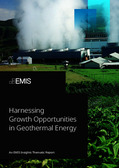
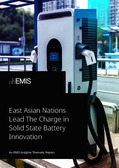
In 2024, worldwide electric car sales reached 17mn units, growing by over 25% y/y, data from the International Energy Agency showed. The electric car fleet stood at almost 58mn at the end of 2024, or about 4% of the total passenger car fleet and more ...
View more details
Coal continues to dominate Poland's energy landscape, accounting for approximately 70% of the country's energy consumption, the highest share among EU member states. However, Poland has increasingly embraced a more sustainable energy trajectory in ...
View more details
As 2030 approaches, Singapore is well on its way to achieving the 2 GW installed capacity goal set in its Singapore Green Plan 2030 initiatives. Yet, challenges to the adoption and integration of renewable sources still exist. Solar installed ...
View more details
Indonesia has abundant natural resources and potential for renewables exceeding 3,600 GW, making it one of the most resource-rich countries in the world. Despite this, adoption has been sluggish, consistently falling short of government targets. Coal ...
View more details
Thailand has been developing its renewable energy sector to improve its energy security and diversify away from the fossil fuels that continue to dominate its generation mix. Bioenergy is the largest contributor to Thailand's renewable portfolio, ...
View more details
According to the International Renewable Energy Agency (IRENA), Brazil ranked third globally in 2023 for renewable energy installed capacity, totalling 194,084 MW, behind only China (1,453,701 MW) and the United States (385,204 MW). This achievement ...
View more details